

A quick guide to the right practices for handling, installation, and
maintenance-ensuring consistent performance and long service life.

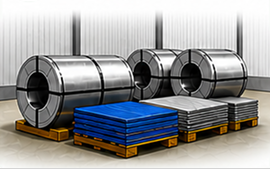
Store coils/sheets indoors in a clean, dry area on a level surface, preferably on wooden blocks.
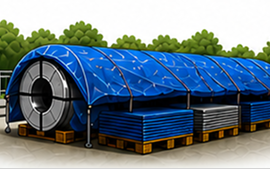
If stored outdoors, always cover with waterproof sheets and ensure proper ventilation.
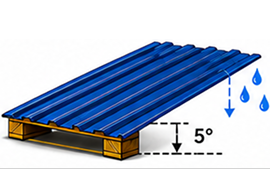
Keep material off the ground with a minimum 5° slope to allow water drainage.
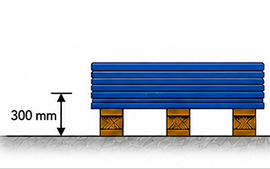
Maintain a minimum clearance of 300 mm between the material and the ground.
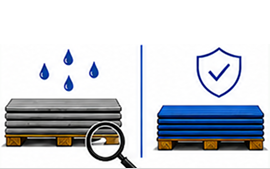
Keep coils/sheets dry at all times and inspect storage areas regularly for moisture ingress.
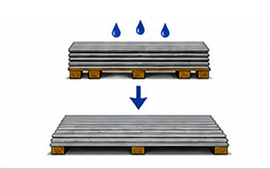
If sheets become wet, separate them immediately, wipe dry with a clean cloth, and restack for proper drying.
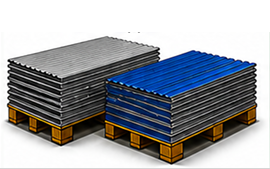
Stack sheets neatly on raised supports when not in immediate use.
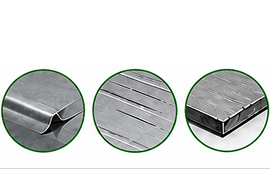
Handle sheets carefully to avoid dents, scratches, or edge damage.
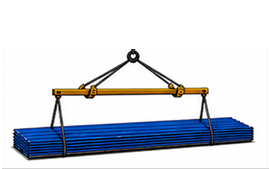
Use spreader bars while lifting long sheets; for smaller loads, handle manually with care.

Use appropriate PPE such as clean gloves and safety footwear during handling.
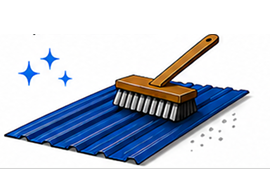
Clean sheets periodically to prevent dust and debris accumulation.
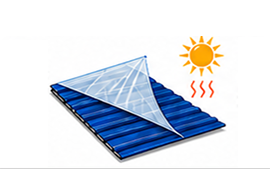
Remove guard film immediately after installation or exposure to sunlight/heat.
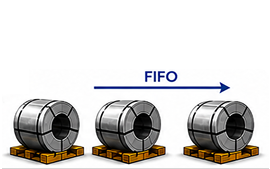
Follow First-In, First-Out (FIFO) inventory practices.

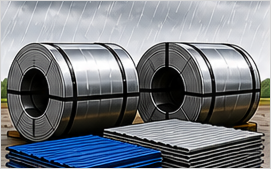
Do not store coils/sheets in open or exposed areas.
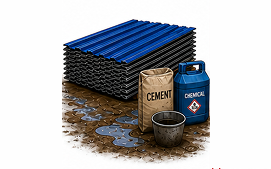
Do not allow direct contact with soil, water, cement, lime, or chemicals.
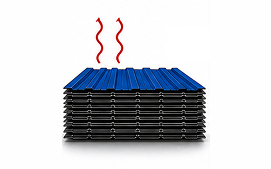
Do not stack sheets tightly without allowing air circulation.
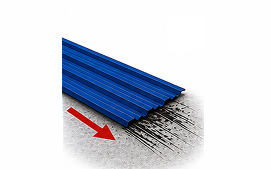
Do not slide sheets over rough surfaces or against each other.
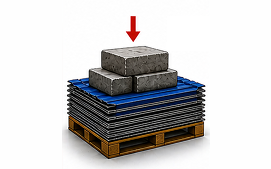
Do not place heavy loads on stacked sheets.
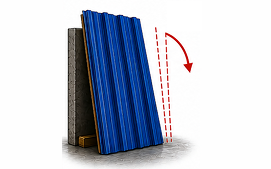
Do not store sheets vertically without proper support.
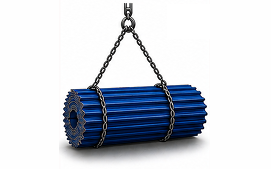
Do not use metal chains for lifting; use suitable lifting tools.

Do not block handling or movement pathways.
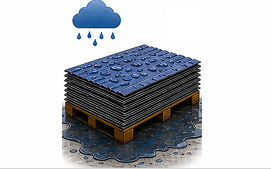
Do not allow sheets to remain wet or exposed to prolonged moisture.
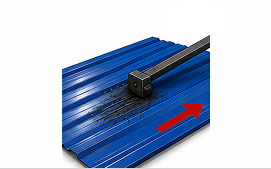
Do not drag tools or equipment across sheet surfaces.



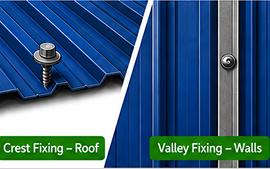
Use crest fixing for roofs and valley fixing for walls (as applicable).
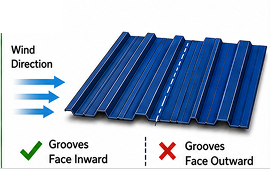
Ensure side-lap grooves face inward, away from wind direction.
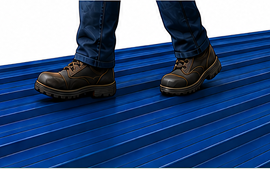
Walk carefully with evenly distributed weight and clean footwear.
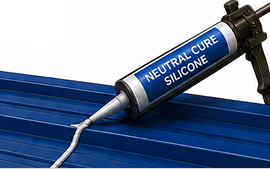
Use compatible sealants (neutral cure silicone).

Maintain tooling and roll-forming equipment to avoid coating damage.
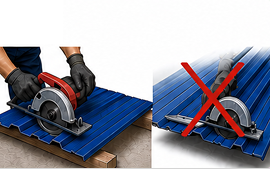
Cut sheets on the ground—not over installed sheets.
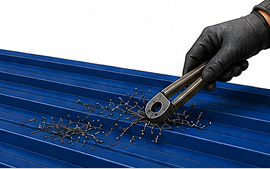
Remove all debris (swarf, fasteners, filings) during and after installation.
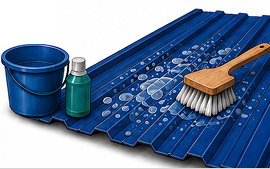
Clean installed sheets using water or mild detergent with soft tools.
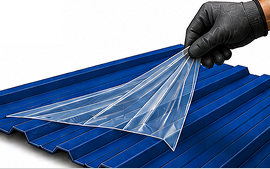
Remove guard film immediately after installation.
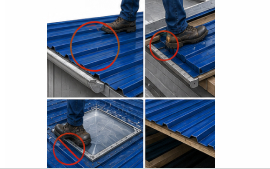
Do not walk on single ribs, sheet edges, gutters, skylights, or unsupported areas.
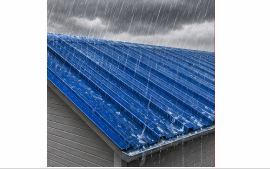
Do not install sheets during rain or wet conditions.
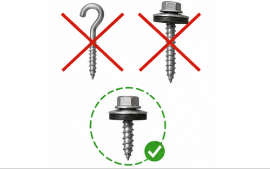
Do not use incompatible fasteners such as J-hooks or improper washers.
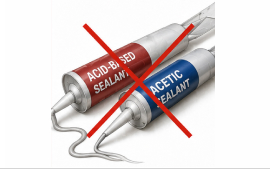
Do not use acid-based or acetic sealants.
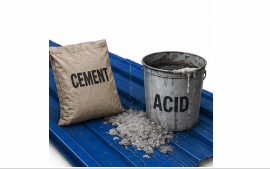
Do not allow sheets to come into contact with cement or corrosive materials.
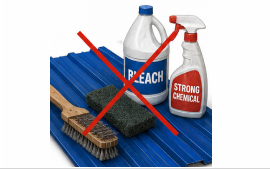
Do not use abrasive cleaning tools or harsh chemicals.
Do not create conditions that make sheets slippery or unsafe during installation.
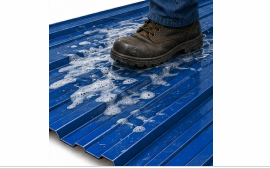
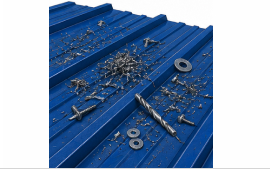
Do not leave metal debris or filings on sheet surfaces.
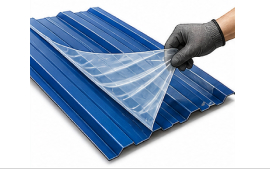
Remove protective film immediately after installation.
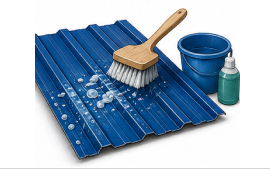
Clean sheets periodically using clean water or mild detergent with a soft cloth or nylon brush.
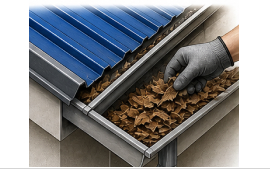
Keep gutters, valleys, and drainage systems free of debris.

Inspect sheets regularly for dirt buildup, scratches, or corrosion.
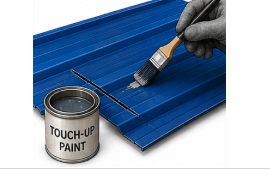
Touch up mirror damages using recommended touch-up paint.
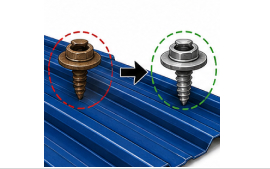
Check and replace loose or corroded fasteners periodically.
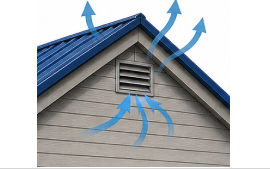
Ensure adequate ventilation to prevent moisture to buildup.

Increase cleaning frequency in coastal or industrial environments.
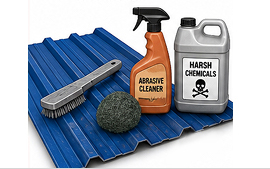
Do not use abrasive cleaners, wire brushes, steel wool or harsh chemicals.
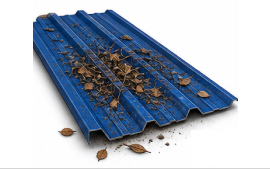
Do not allow contact with soil, water, cement or chemicals.
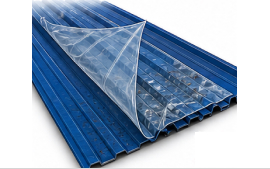
Do not delay removal of protective film.
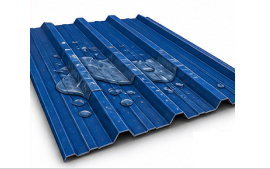
Do not allow water stagnation on sheets.
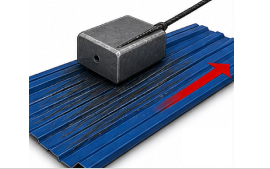
Do not drag sharp or heavy objects across sheet surfaces.
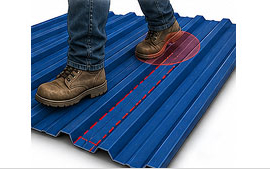
Do not walk on unsupported areas or single ribs.
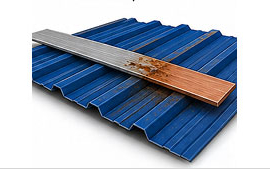
Do not allow contact with dissimilar metals (to avoid galvanic corrosion).

Do not ignore early signs of damage or corrosion.
 +91 7605035757
